
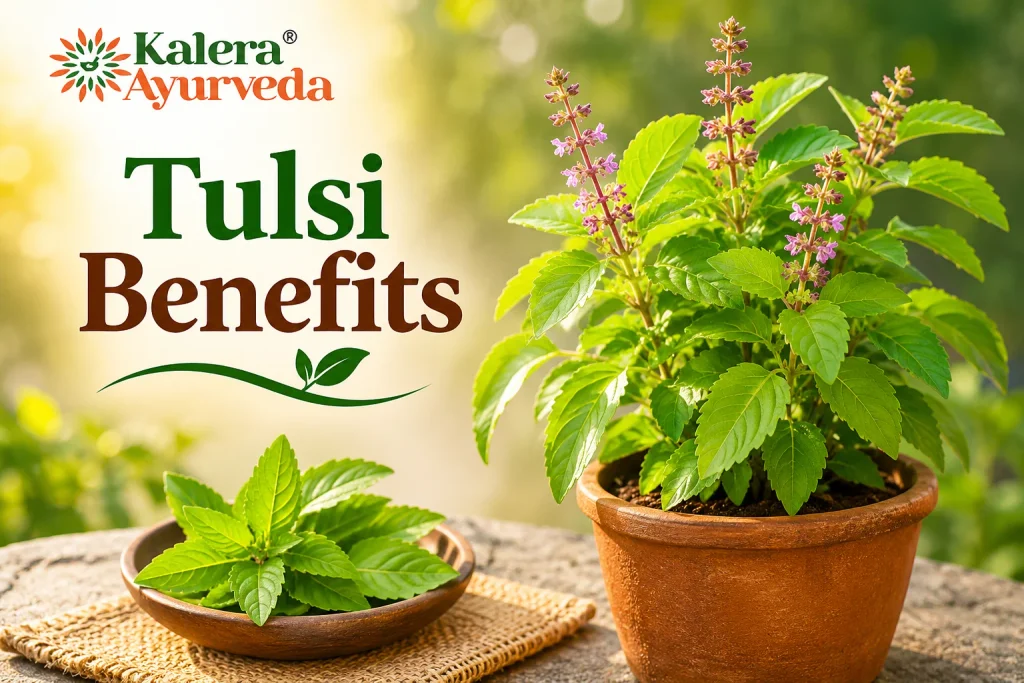
What Is Tulsi?
Tulsi, commonly known as holy basil, is a well-known aromatic herb in India. Its botanical name is Ocimum tenuiflorum, also known by the older scientific name Ocimum sanctum. It belongs to the mint family and is traditionally valued in Ayurveda for its various wellness uses.
Tulsi has a special place in Indian households and cultural traditions. Its leaves are commonly used in herbal preparations, teas and traditional home remedies. The plant is also known for its natural compounds, including eugenol and other plant-based substances that researchers continue to study.
Unlike the sweet basil commonly used in cooking, holy basil has a stronger, slightly bitter and peppery flavour. It is traditionally used in different forms, especially fresh leaves, dried leaves and herbal infusions.
7 Potential Tulsi Benefits and Traditional Uses
Tulsi has been traditionally used for several wellness purposes. Some early human studies have also explored its possible effects on stress, metabolic health and immune response. However, research is still developing, and tulsi should not be considered a replacement for medical treatment.
1. May Support the Body During Stress
One of the commonly discussed tulsi benefits is its traditional use for supporting the body’s response to stress. It is often described as an adaptogenic herb, a term used for substances believed to help the body adapt to physical and emotional stress.
Some small human studies have explored tulsi’s possible effects on stress, mood and fatigue. A systematic review published in 2017 examined 24 human studies and reported encouraging findings in these areas. However, the researchers also highlighted the need for better-quality and longer-term clinical trials.
Tulsi is therefore an interesting herb for researchers studying natural approaches to stress management, but it is not a proven treatment for anxiety or other mental health conditions.
Readers interested in traditional Ayurvedic formulations can also explore Brahmi Vati from Kalera Ayurveda.
2. Contains Natural Antioxidant Compounds
Tulsi contains naturally occurring plant compounds, including eugenol and various polyphenols. These substances are studied for their antioxidant properties.
Antioxidants help protect cells from oxidative stress, which occurs when there is an imbalance between free radicals and the body’s antioxidant defences.
Laboratory research has explored the antioxidant activity of tulsi extracts. However, the effects observed in laboratory experiments do not automatically mean that consuming tulsi will prevent or treat a particular disease.
You can also learn about Amalaki Rasayana Churna, another traditional Ayurvedic formulation discussed by Kalera Ayurveda.
3. May Support Normal Blood Sugar Levels
Tulsi has traditionally been included in wellness practices related to metabolic health. Some human studies have investigated its possible influence on blood glucose levels.
The 2017 systematic review of human tulsi research included studies involving people with metabolic conditions, including type 2 diabetes. Some reported improvements in blood glucose measurements.
These findings are promising but not sufficient to establish tulsi as a diabetes treatment. People taking insulin or other blood sugar-lowering medicines should speak with their healthcare professional before using concentrated tulsi supplements.
Important: Never reduce or stop prescribed diabetes medication because of an herbal remedy.
4. Traditionally Used for Respiratory Comfort
Tulsi leaves are commonly used in traditional Indian home preparations for throat and seasonal respiratory discomfort.
A warm tulsi infusion is a popular household drink, particularly during colder weather. Some people combine tulsi leaves with ginger or honey as part of their traditional routine.
These preparations may feel soothing because of their warmth and flavour. However, there is not enough strong clinical evidence to say that tulsi tea treats asthma, bronchitis, influenza or other respiratory infections.
Persistent cough, breathing difficulty, fever or chest discomfort should be assessed by a healthcare professional.
Kalera Ayurveda offers traditional formulations such as Talisadi Churna, which readers can explore as part of their interest in Ayurvedic preparations.
5. May Support General Immune Function
Another commonly discussed area of tulsi research is immune function. Its natural plant compounds, including eugenol, have been studied for their biological activities.
Some small human studies have investigated changes in immune-response markers after tulsi extract use. Laboratory research has also explored its antimicrobial and anti-inflammatory properties.
These findings help explain why tulsi has a long history in traditional wellness practices. Still, there is no reliable evidence that consuming tulsi prevents infections or replaces vaccination, medical care or healthy daily habits.
6. Traditionally Used in Skin and Personal Care
Tulsi leaves are also used in traditional skincare preparations. Their natural plant compounds have attracted research interest because of their antioxidant and antimicrobial activity.
Tulsi extracts are sometimes included in personal-care products such as face washes, creams and herbal formulations.
However, evidence for treating acne, pigmentation or other skin conditions with tulsi is limited. Applying raw leaves or concentrated extracts directly to the skin may also irritate sensitive skin.
If you experience persistent acne, itching, rashes or inflammation, consider professional dermatological advice rather than relying only on home remedies.
7. May Be Studied for Cardiovascular and Metabolic Wellness
Research has also explored tulsi’s possible relationship with cholesterol levels, blood pressure and inflammation.
The Cleveland Clinic discusses preliminary research suggesting that holy basil may influence blood sugar, LDL cholesterol, blood pressure and inflammation. These findings are not enough to establish tulsi as a treatment for cardiovascular conditions.
A healthy lifestyle remains important for heart health. Balanced meals, regular physical activity, adequate sleep and appropriate medical check-ups should remain the foundation of cardiovascular care.
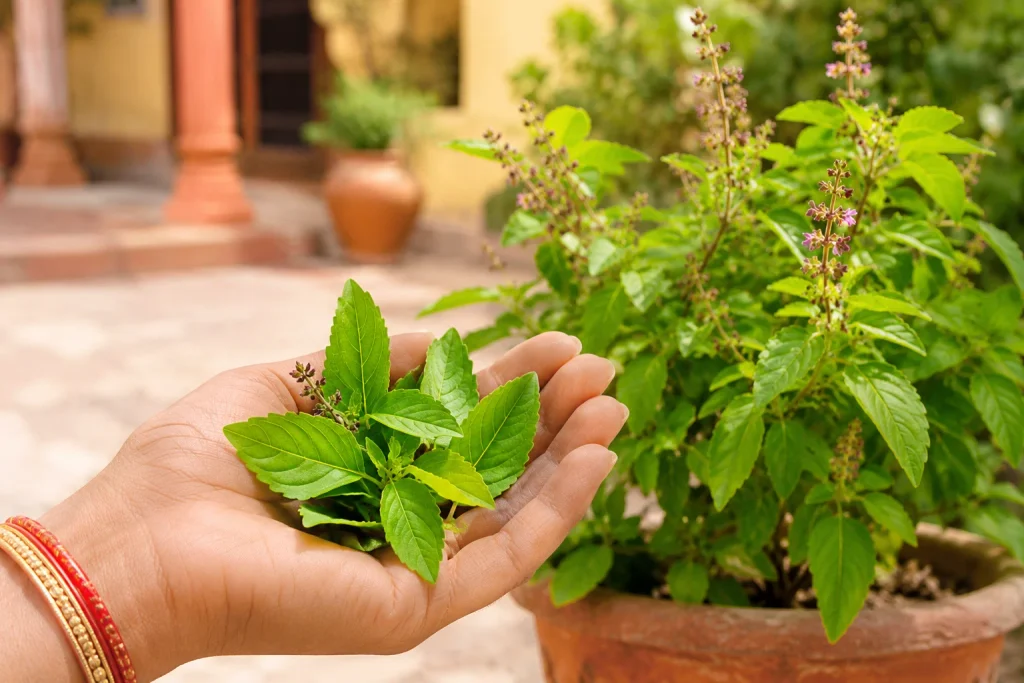
Important Natural Compounds Found in Tulsi
The potential biological activities of tulsi are often linked to its naturally occurring phytochemicals. These compounds are being studied in laboratory and human research.
| Natural compound | What researchers study |
|---|---|
| Eugenol | Antioxidant and anti-inflammatory properties |
| Ursolic acid | Potential antioxidant and other biological activities |
| Rosmarinic acid | Antioxidant activity |
| Carvacrol | Antimicrobial properties in laboratory research |
| Flavonoids | Antioxidant activity and cellular protection |
The amount and combination of these compounds can vary depending on the tulsi variety, growing conditions, plant part and preparation method. Their presence does not guarantee a specific health benefit.
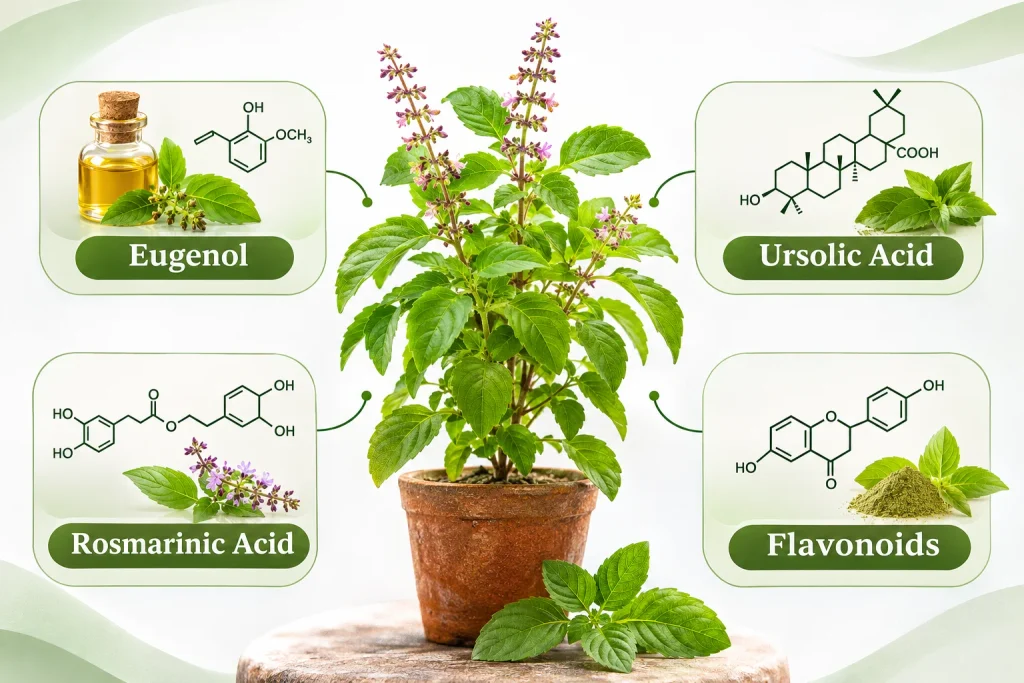
Common Ways to Use Tulsi
Tulsi is traditionally used in several forms. The choice depends on personal preference and the type of preparation.
| Form | Traditional use |
|---|---|
| Fresh leaves | Added to herbal preparations and traditional home remedies |
| Dried leaves | Used for making herbal infusions |
| Tulsi tea | Prepared as a warm herbal drink |
| Tulsi powder | Used in some traditional herbal preparations |
| Tulsi extracts | Available in concentrated supplement forms |
How to Prepare Tulsi Tea
Tulsi tea is one of the simplest traditional ways to use the leaves.
Basic preparation:
- Take a few clean fresh tulsi leaves or an appropriate amount of dried leaves.
- Wash fresh leaves properly.
- Add them to a cup of hot water.
- Allow the leaves to steep for around 5–10 minutes.
- Strain the infusion before drinking.
You can enjoy the infusion plain. Some people prefer adding ginger or a little honey for flavour.
This is a traditional preparation method, not a medically established dosage. There is currently no scientifically confirmed daily dose of tulsi that is suitable for everyone.
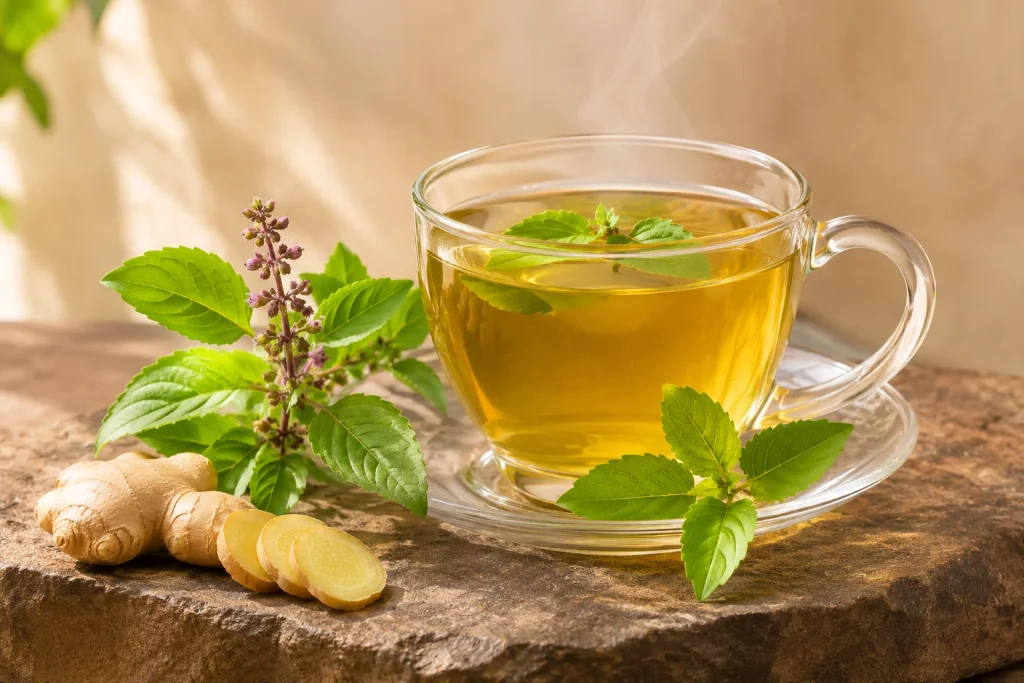
Possible Tulsi Side Effects and Safety Precautions
Tulsi has a long history of traditional use, but natural ingredients are not automatically safe for every person. Research on its long-term safety remains limited, especially for concentrated extracts and supplements.
Keep these precautions in mind:
Pregnancy and breastfeeding: There is insufficient reliable human safety information about medicinal amounts of tulsi during pregnancy and breastfeeding. Avoid concentrated tulsi supplements unless your healthcare professional specifically advises otherwise.
Trying to conceive: Some animal research has raised questions about possible reproductive effects. People trying to conceive should discuss regular medicinal use with a qualified healthcare professional.
Diabetes medication: Tulsi may influence blood glucose levels. People taking diabetes medicines should seek medical advice before using concentrated preparations.
Possible stomach discomfort: Some people may experience digestive discomfort, including nausea. Stop using the preparation if you notice an unwanted reaction.
Allergic or skin reactions: Topical tulsi preparations may not suit everyone. Test a skincare product carefully and stop using it if irritation develops.
Long-term supplement use: Long-term safety and an established daily dose have not been adequately confirmed. Speak with a healthcare professional before starting concentrated extracts or supplements.
How to Choose Good-Quality Tulsi Products
If you are considering a packaged tulsi product, check the following points before purchasing:
- Ingredient information: Look for a clear list of ingredients and the plant part used.
- Product quality: Prefer products from manufacturers that provide transparent quality and testing information.
- Manufacturing details: Check the manufacturer’s name, batch number and manufacturing or expiry date.
- Storage instructions: Follow the label instructions to maintain product quality.
- Health claims: Be careful with products that promise to cure diabetes, infections or other medical conditions.
- Professional advice: Consult a healthcare professional before using concentrated herbal supplements, particularly if you take regular medication.
Frequently Asked Questions About Tulsi Benefits
1. Can Tulsi Be Consumed Every Day?
Tulsi is traditionally used in daily wellness routines, especially as a herbal infusion. However, the safety of long-term daily use has not been fully established through large, long-duration human studies. There is also no scientifically confirmed daily dosage that applies to everyone. Occasional use as a tea is different from taking concentrated extracts or supplements. People with medical conditions, those taking regular medicines, and pregnant or breastfeeding individuals should seek professional advice before making tulsi a regular medicinal supplement.
2. What Are the Main Benefits of Tulsi Leaves?
Tulsi leaves are traditionally used for respiratory comfort, general wellness and stress-related support. They contain natural plant compounds such as eugenol and other phytochemicals that researchers study for antioxidant and anti-inflammatory activity. Some small human studies have also explored possible effects on stress, blood glucose, cholesterol and immune-response markers. However, these findings are preliminary and do not establish tulsi leaves as a treatment for specific diseases. Their traditional use should be understood separately from proven medical benefits.
3. Is Tulsi Tea Good for Daily Wellness?
Tulsi tea is a popular traditional herbal drink made by steeping fresh or dried leaves in hot water. Many people enjoy it as a caffeine-free alternative to regular tea, depending on the ingredients used. Its warm preparation may feel soothing, particularly during colder weather. Tulsi also contains naturally occurring plant compounds that are being studied for their biological properties. However, there is limited evidence that drinking tulsi tea daily prevents infections or treats health conditions. People with medical conditions or those taking medication should discuss regular medicinal use with a healthcare professional.
4. Does Tulsi Help Manage Stress?
Tulsi is traditionally described as an adaptogenic herb and has been studied for its possible role in the body’s response to stress. A 2017 systematic review of human studies reported encouraging findings related to psychological stress, mood and fatigue. However, the studies differed in their methods, preparations and quality. More well-designed clinical trials are needed to understand the effects clearly. Tulsi should not replace professional care for ongoing anxiety, depression, sleep problems or other mental health concerns.
5. Is Tulsi Safe for People With Diabetes?
Tulsi has been investigated for its possible influence on blood glucose levels, and some small human studies have reported encouraging findings. However, this does not mean that tulsi can replace diabetes medicines or manage the condition independently. People taking insulin or other glucose-lowering medicines should be particularly careful because combining herbal supplements with medication may affect blood sugar control. Always consult a qualified healthcare professional before adding concentrated tulsi products to a diabetes-management routine.
6. Can Tulsi Be Used for Skin and Hair Care?
Tulsi is traditionally used in some skincare and personal-care preparations. Its plant compounds have attracted research interest because of their antioxidant and antimicrobial properties. Some commercial products include tulsi extracts in face washes, creams and hair-care formulations. However, strong clinical evidence for treating acne, dandruff, hair loss or other skin and scalp conditions is limited. Avoid applying concentrated extracts or homemade preparations if they cause irritation. For persistent skin or hair concerns, consult a dermatologist.
7. Who Should Be Careful Before Using Tulsi Supplements?
People who are pregnant, breastfeeding, trying to conceive, taking diabetes medication or managing an existing medical condition should seek professional advice before using concentrated tulsi supplements. Supplement products may contain different extract strengths and ingredients, so their effects cannot be assumed to be the same as drinking a mild herbal tea. People with known plant allergies should also check product ingredients carefully. If you experience an unwanted reaction after using tulsi, stop the product and seek medical advice when needed.
Final Thoughts
Tulsi has a respected place in Indian traditions and Ayurveda. Its leaves are commonly used in herbal teas and traditional preparations, while its natural compounds continue to attract scientific interest.
Research has explored possible connections between tulsi and stress response, metabolic health, immune function and antioxidant activity. However, the available human evidence is still limited, and more high-quality research is needed to establish its benefits, appropriate dosage and long-term safety.
If you enjoy tulsi as part of your daily routine, use it thoughtfully and avoid treating it as a substitute for medical care. For concentrated supplements or regular medicinal use, professional guidance is the safest approach.
References and Further Reading
- The Benefits of Holy Basil (Tulsi) – Cleveland Clinic
- The Clinical Efficacy and Safety of Tulsi in Humans: A Systematic Review of the Literature – National Library of Medicine
This article is for general educational purposes only. It does not replace professional medical advice, diagnosis or treatment.