
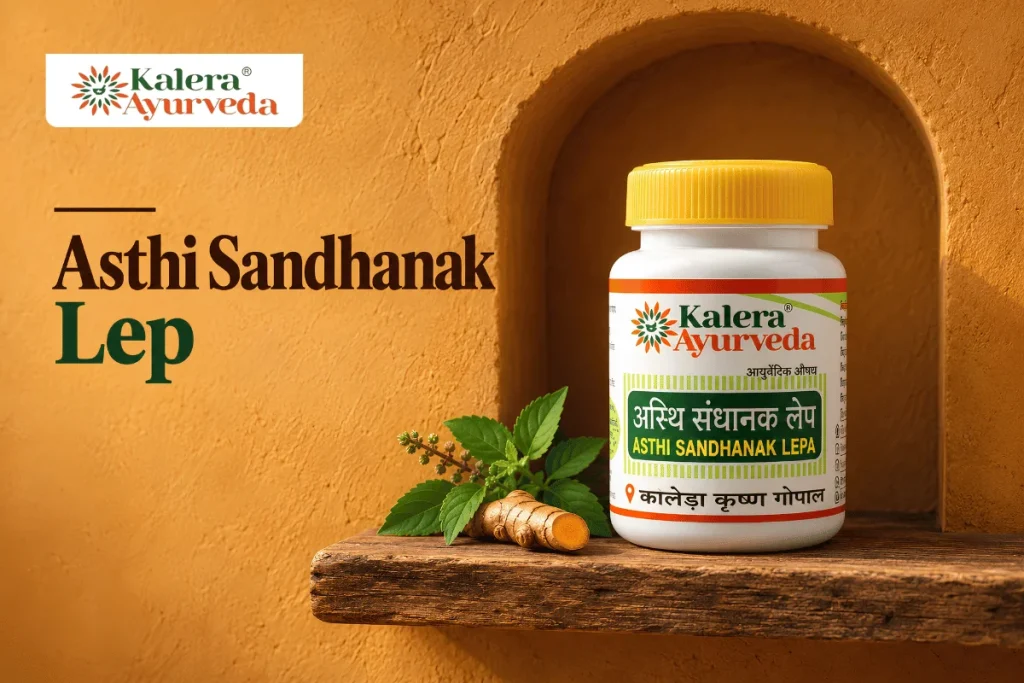
Asthi Sandhanak Lep is a traditional Ayurvedic herbal paste designed for external use. It is commonly associated with traditional bone and joint care, including discomfort, stiffness, and swelling around affected areas. Kalera Ayurveda Asthi Sandhanak Lep is prepared with traditional herbs and minerals and is available in a 50 gm pack.
People often search for Asthi Sandhanak Lep to understand its traditional uses, ingredients, application method, and safety precautions. However, not every injury can be managed with a topical product. A suspected fracture, dislocation, or serious injury requires proper medical assessment and treatment.
In this guide, we explain the product’s ingredients, traditional uses, how to apply it, and important precautions to consider before use.
What Is Kalera Ayurveda Asthi Sandhanak Lep?
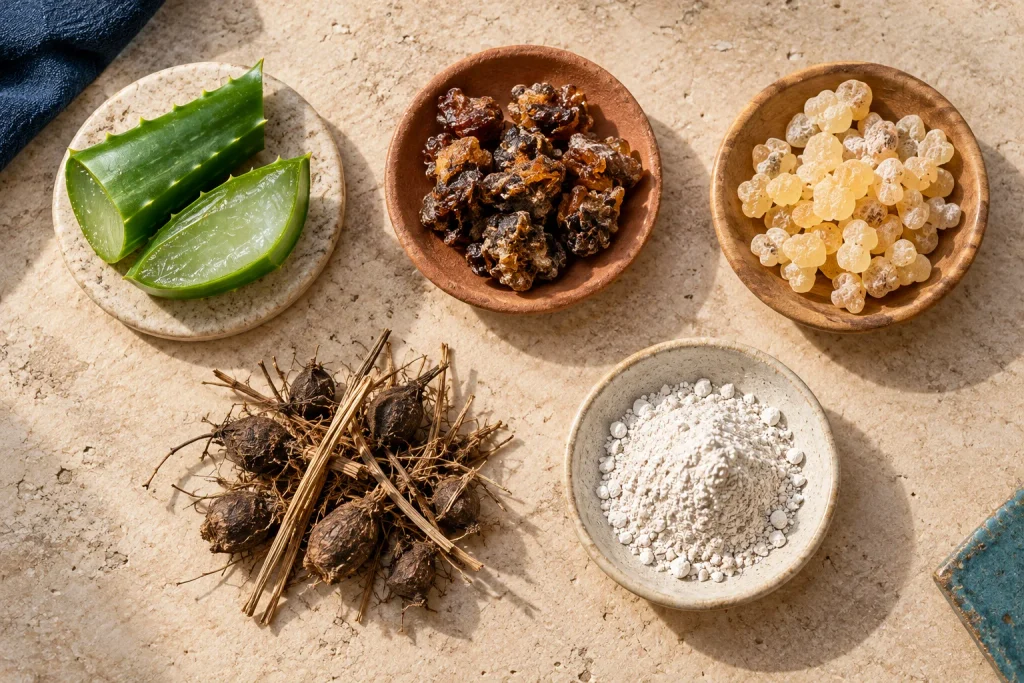
Kalera Ayurveda Asthi Sandhanak Lep is a traditional Ayurvedic preparation intended for external application. According to the product information, it contains ingredients such as Kumari (Aloe vera), Bola, Kunduru, Gundra, and Sphatika.
The product is traditionally positioned for bone and joint care and may be considered as a complementary external preparation when appropriate. It should not replace treatment recommended by an orthopaedic specialist or other qualified healthcare professional.
Kalera Ayurveda offers this product in a 50 gm pack priced at ₹300. Before purchasing or applying it, read the product information and check whether it is suitable for your particular concern.
You can view the Kalera Ayurveda Asthi Sandhanak Lep product page for the current product details.
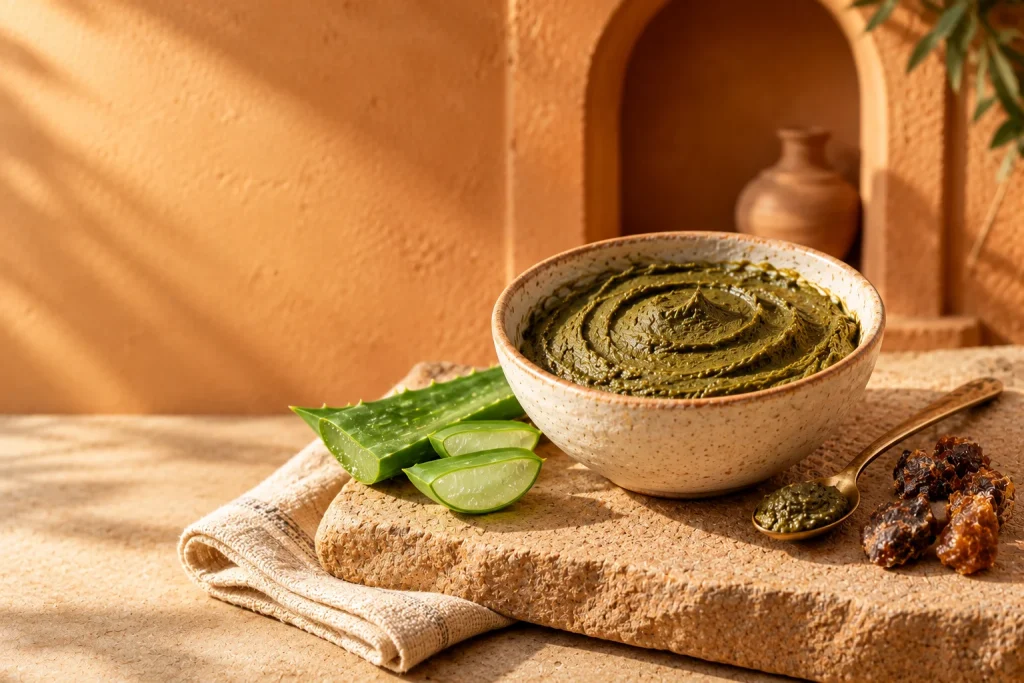
7 Traditional Uses of Asthi Sandhanak Lep
Asthi Sandhanak Lep is associated with traditional external care for bone and joint concerns. Its suitability depends on the formulation, the condition being treated, and professional guidance.
1. Traditional Care During Fracture Recovery
Asthi Sandhanak Lep is traditionally associated with bone-related care in Ayurveda. However, this does not establish that applying the product can heal a broken bone.
A suspected fracture needs medical examination and appropriate treatment, which may include immobilisation, a cast, or other procedures depending on the injury. Do not delay medical care or apply the paste over an injured area without professional advice.
2. Support for Joint Comfort
Joint discomfort can develop because of overuse, injury, inflammation, or an underlying medical condition. Some Ayurvedic external preparations are traditionally used as part of joint-care routines.
Before choosing a product, it is important to understand the possible cause of the discomfort. Persistent pain, significant swelling, or difficulty moving a joint should be evaluated by a healthcare professional.
You can also read our related guide to Ayurvedic medicine for joint pain for more information about traditional approaches to joint care.
3. Traditional Use for Sprains and Strains
Sprains affect ligaments, while strains involve muscles or tendons. These injuries can range from mild to serious, depending on the tissues affected.
Asthi Sandhanak Lep is marketed for traditional external care associated with musculoskeletal concerns. However, a topical paste should not be considered a substitute for proper assessment, rest, rehabilitation, or other treatment when required.
If an injury causes severe pain, major swelling, deformity, or difficulty bearing weight, seek prompt medical attention.
4. Care for Localised Swelling
Swelling may occur after physical activity or an injury, but it can also indicate a more serious problem. Kalera Ayurveda’s product information associates the lep with supportive care for affected areas.
The cause of swelling matters. Sudden, severe, unexplained, or worsening swelling should be assessed by a healthcare professional rather than managed only with a topical preparation.
5. Support for Stiffness and Movement-Related Discomfort
Joint stiffness can make everyday activities such as walking, bending, or standing uncomfortable. It may occur after inactivity, physical strain, injury, or an underlying joint condition.
Some traditional external preparations are used as part of a broader comfort routine. However, Asthi Sandhanak Lep should not be assumed to restore joint movement or repair damaged tissues. Seek professional advice if stiffness persists or limits normal activities.
6. Traditional Care for Musculoskeletal Discomfort
The name Asthi Sandhanak Lep is associated with traditional bone and joint care. Nevertheless, discomfort in the muscles or joints can have several causes, including injury, nerve problems, and inflammatory conditions.
Before using a topical preparation, consider whether your symptoms need medical evaluation. A qualified professional can help determine whether an external product is appropriate alongside your recommended care plan.
7. Complementary External Care
Some people explore traditional Ayurvedic preparations alongside medical care, physiotherapy, or rehabilitation. If you are considering this approach, discuss it with your healthcare professional to make sure it is suitable for your situation.
Remember that a topical product should not be relied upon to regenerate ligaments, repair cartilage, or heal a fracture. Such outcomes should not be assumed without appropriate clinical evidence.
Key Ingredients in Kalera Ayurveda Asthi Sandhanak Lep
Kalera Ayurveda lists traditional herbs and a mineral ingredient in its Asthi Sandhanak Lep formulation. Each ingredient has a history of use in traditional preparations, but the traditional use of an individual ingredient does not prove that the finished product treats a particular medical condition.
| Ingredient | Identification | Traditional context |
|---|---|---|
| Kumari | Aloe vera | Commonly used in traditional skin-care preparations |
| Bola | Commiphora resin | A resin used in traditional herbal formulations |
| Kunduru | Boswellia gum | Used in various traditional Ayurvedic preparations |
| Gundra | Cyperus rotundus | A plant used in traditional herbal formulations |
| Sphatika | Processed alum | A mineral ingredient used in certain traditional preparations |
Important: Ingredient names and formulations can vary between manufacturers. Refer to Kalera Ayurveda’s product packaging for the most accurate ingredient and safety information.
How to Use Asthi Sandhanak Lep
Using the product according to its instructions is important. Kalera Ayurveda provides the following general application steps.
- Clean the area: Make sure the intended application area is clean and dry.
- Apply a small amount: Spread a thin, even layer over the appropriate area, following the product instructions.
- Cover if needed: The product information states that the area may be covered with a clean cloth if required. Ask a healthcare professional whether this is suitable for your condition.
- Wash your hands: Clean your hands after application and avoid touching your eyes or mouth.
How Often Should You Apply It?
The product page suggests that application may be required once or twice daily, or as advised by a physician. Follow the instructions on the current packaging and the advice of a qualified healthcare professional.
Do not assume that the same application frequency is suitable for every injury or every person. Avoid applying the product to open cuts, bleeding wounds, or damaged skin.
Asthi Sandhanak Lep Safety and Precautions
Although Kalera Ayurveda Asthi Sandhanak Lep is intended for external use, precautions are important.
- External use only: Do not swallow the product.
- Avoid open wounds: Do not apply it to deep cuts, open wounds, or bleeding injuries.
- Watch for irritation: Discontinue use if redness, itching, burning, or a rash develops.
- Avoid sensitive areas: Keep the product away from the eyes and mouth.
- Pregnancy and breastfeeding: Consult a healthcare professional before use.
- Children: Use only under appropriate medical supervision.
- Suspected fractures: Seek medical assessment instead of relying on a topical paste.
- Persistent symptoms: Get professional advice if pain, swelling, or stiffness continues or worsens.
After an injury, seek urgent medical attention if there is severe pain, visible deformity, numbness, unusual colour changes, or an inability to use the affected limb.
For additional guidance about broken bones, consult the NHS guide to broken bones.
Asthi Sandhanak Lep vs Dashang Lep
Kalera Ayurveda offers Asthi Sandhanak Lep and Dashang Lep in its Lep product category. Both are external Ayurvedic preparations, but they are separate products and should not be treated as interchangeable.
| Feature | Asthi Sandhanak Lep | Dashang Lep |
|---|---|---|
| Product type | Ayurvedic external preparation | Ayurvedic external preparation |
| Traditional positioning | Bone and joint care | Traditional external care for relevant discomfort |
| Main consideration | Check suitability for the specific concern | Check the product instructions and suitability |
| Safety | Follow its own label and precautions | Follow its own label and precautions |
The appropriate choice depends on the formulation, the reason for use, and professional guidance. Neither product should be assumed to heal a fracture or replace medical treatment.
You can explore Kalera Ayurveda’s Lep collection or read our guide to Dashang Lep benefits and precautions to learn more about the other product.
Frequently Asked Questions About Asthi Sandhanak Lep
1. What is Asthi Sandhanak Lep used for?
Asthi Sandhanak Lep is a traditional Ayurvedic preparation intended for external application. It is associated with traditional bone and joint care and is marketed for concerns such as stiffness, discomfort, and swelling around affected areas. Its suitability depends on the particular formulation and the condition being addressed. It should not be considered a proven treatment for every bone, joint, or muscle problem. If symptoms are severe, persistent, or related to an injury, consult a healthcare professional before using it.
2. Can Asthi Sandhanak Lep heal a fracture completely?
You should not rely on Asthi Sandhanak Lep to heal a fracture. A broken bone requires proper medical assessment to determine the type and severity of the injury and the treatment needed. Depending on the fracture, treatment may involve immobilisation, a cast, or a procedure recommended by an orthopaedic specialist. A topical Ayurvedic preparation must not replace these treatments. If you suspect a fracture, seek medical attention promptly and ask your healthcare professional whether any complementary external product is appropriate.
3. What are the ingredients in Kalera Ayurveda Asthi Sandhanak Lep?
Kalera Ayurveda lists Kumari (Aloe vera), Bola (Commiphora resin), Kunduru (Boswellia gum), Gundra (Cyperus rotundus), and Sphatika (processed alum) among the ingredients in its Asthi Sandhanak Lep formulation. These ingredients are used in traditional preparations, but their presence does not establish that the finished product will heal a fracture or treat a particular condition. Ingredient combinations may differ between manufacturers, so always check the current product label for the complete ingredient list before purchasing or applying the product.
4. How should I apply Asthi Sandhanak Lep?
According to Kalera Ayurveda’s product instructions, clean and dry the intended area, apply a small amount evenly, and cover it with a clean cloth if needed. Wash your hands after application and avoid contact with the eyes and mouth. Follow the current packaging instructions and seek professional advice if you are unsure whether the product is appropriate for your condition. Do not apply it to open or bleeding wounds, and do not use it in place of medical assessment or treatment for a suspected fracture or dislocation.
5. How many times a day can I use Asthi Sandhanak Lep?
Kalera Ayurveda’s product information suggests that application may be required once or twice daily, or as advised by a physician. The appropriate frequency depends on the product instructions, the application area, and your individual circumstances. Do not increase the frequency or apply a thicker layer in the hope of getting faster results. If you experience redness, itching, burning, or other irritation, stop using the product. Consult a healthcare professional if you need clarification about how frequently to apply it.
6. Can Asthi Sandhanak Lep be used for joint pain and stiffness?
Asthi Sandhanak Lep is traditionally associated with bone and joint care, and the product is marketed for stiffness and discomfort. However, joint pain can result from several conditions, including injury, inflammation, and arthritis. The suitability and effectiveness of a topical preparation may vary, and it should not be assumed to treat the underlying cause. If your symptoms persist, affect your daily activities, or are accompanied by significant swelling or redness, seek medical advice to identify the cause and discuss suitable treatment options.
7. Is Asthi Sandhanak Lep safe for children?
Children should use Asthi Sandhanak Lep only under appropriate medical supervision. A child’s skin may be sensitive, and the cause of pain or swelling should be identified before applying a topical preparation. Do not apply the product to broken skin, and keep it out of the child’s reach to prevent accidental swallowing or contact with the eyes. If a child has sustained a significant injury, cannot use the affected limb normally, or experiences severe pain or swelling, seek prompt medical attention instead of relying on an external paste.
8. Can Asthi Sandhanak Lep be applied to open wounds?
No. Kalera Ayurveda’s product information specifically advises against applying Asthi Sandhanak Lep to deep cuts, open wounds, or bleeding injuries. Applying a product that is not intended for broken skin may cause irritation or complicate wound care. Clean and protect the injury according to appropriate first-aid guidance, and seek medical advice when necessary. If the injury is deep, heavily bleeding, contaminated, or associated with a suspected fracture, obtain professional treatment rather than applying the lep.
9. Can pregnant or breastfeeding women use Asthi Sandhanak Lep?
Pregnant or breastfeeding women should consult a qualified healthcare professional before using Asthi Sandhanak Lep. Although it is intended for external application, suitability depends on the ingredients, the application area, and the individual’s circumstances. Do not assume that every herbal or traditional preparation is automatically suitable during pregnancy or breastfeeding. Check the product label and explain any existing medical conditions or other products you are using when seeking professional advice.
10. What is the price and pack size of Kalera Ayurveda Asthi Sandhanak Lep?
According to the product details provided by Kalera Ayurveda, Asthi Sandhanak Lep is available in a 50 gm pack priced at ₹300. The website also advertises free shipping on orders above ₹299. Prices, availability, and shipping conditions may change, so check the official product page before ordering. The sealed pack includes product information such as the ingredients, batch number, manufacturing date, and expiry date. Always check the packaging before use and store the product as directed.
11. How should Asthi Sandhanak Lep be stored?
Kalera Ayurveda advises storing Asthi Sandhanak Lep in a cool, dry place away from direct sunlight and keeping the lid tightly closed after use. Check the expiry date and the storage instructions printed on the package. The product information mentions a general shelf-life range of one to three years, but the exact expiry date on your particular pack should be followed. Do not use a product that has expired or whose packaging appears damaged or contaminated.
12. Can Asthi Sandhanak Lep replace physiotherapy or orthopaedic treatment?
No. Asthi Sandhanak Lep should not replace orthopaedic treatment, physiotherapy, or other care recommended by a qualified healthcare professional. Fractures, dislocations, ligament injuries, and persistent joint problems may require specific treatment and rehabilitation. A topical preparation may be considered as complementary care only when a healthcare professional considers it appropriate. Delaying necessary treatment can worsen an injury or prolong recovery, so seek proper assessment when symptoms indicate a potentially serious condition.
Final Thoughts
Asthi Sandhanak Lep is a traditional Ayurvedic external preparation associated with bone and joint care. Kalera Ayurveda’s formulation includes Kumari, Bola, Kunduru, Gundra, and Sphatika and is available in a 50 gm pack.
Before using the product, check its ingredients, follow the application instructions, and seek professional advice when necessary. Most importantly, do not delay medical care for a suspected fracture, dislocation, serious injury, or unexplained swelling.
Understanding both the traditional use and the limitations of a product helps you make a more informed decision about your care.